
Training & Supplement Buying Guides
← THG article library · Buying guides
Supplement Buying Guides
If you are still deciding whether a supplement is useful, start with the Supplement Finder or the supplement evidence hub. The guides below focus on what to check once you have a reason to compare products.
Protein Powder Buying Guide
Compare actual protein per serving, equal-protein cost, ready-made shakes and the role of personal taste. Includes clearly identified label assessments and Alex’s own experience where available.
Choose a practical protein option →
Creatine Buying Guide
Compare powder and capsules, interpret ingredient amounts and calculate cost per equal quantity. Use the calculator with prices from a retailer that serves your country.
Compare creatine packs →
Creatine Gummies vs Powder
Separate evidence for creatine from evidence for a finished gummy. Compare declared amounts, product-specific testing and equal-quantity cost.
Compare the two formats →
Clear Whey vs Regular Whey
A lemonade and a chocolate shake look $10 apart. Compare equal amounts of protein and see what you actually pay.
Compare the two US labels →
Whey Isolate vs Concentrate
Check protein density, lactose information and price per equal amount of protein before paying for an upgrade.
Choose by tolerance and value →
Caffeine-Free Pre-Workout
Compare ingredient amounts, cost and realistic pump expectations, with Alex’s taste notes and two regional label examples.
Decide whether a stim-free blend is worth buying →Personal Gym Equipment: Choose by the Limitation
These guides concern portable items you can bring to the gym. For a broader overview of what each tool does, use our weightlifting equipment hub. You do not need every item on this page.
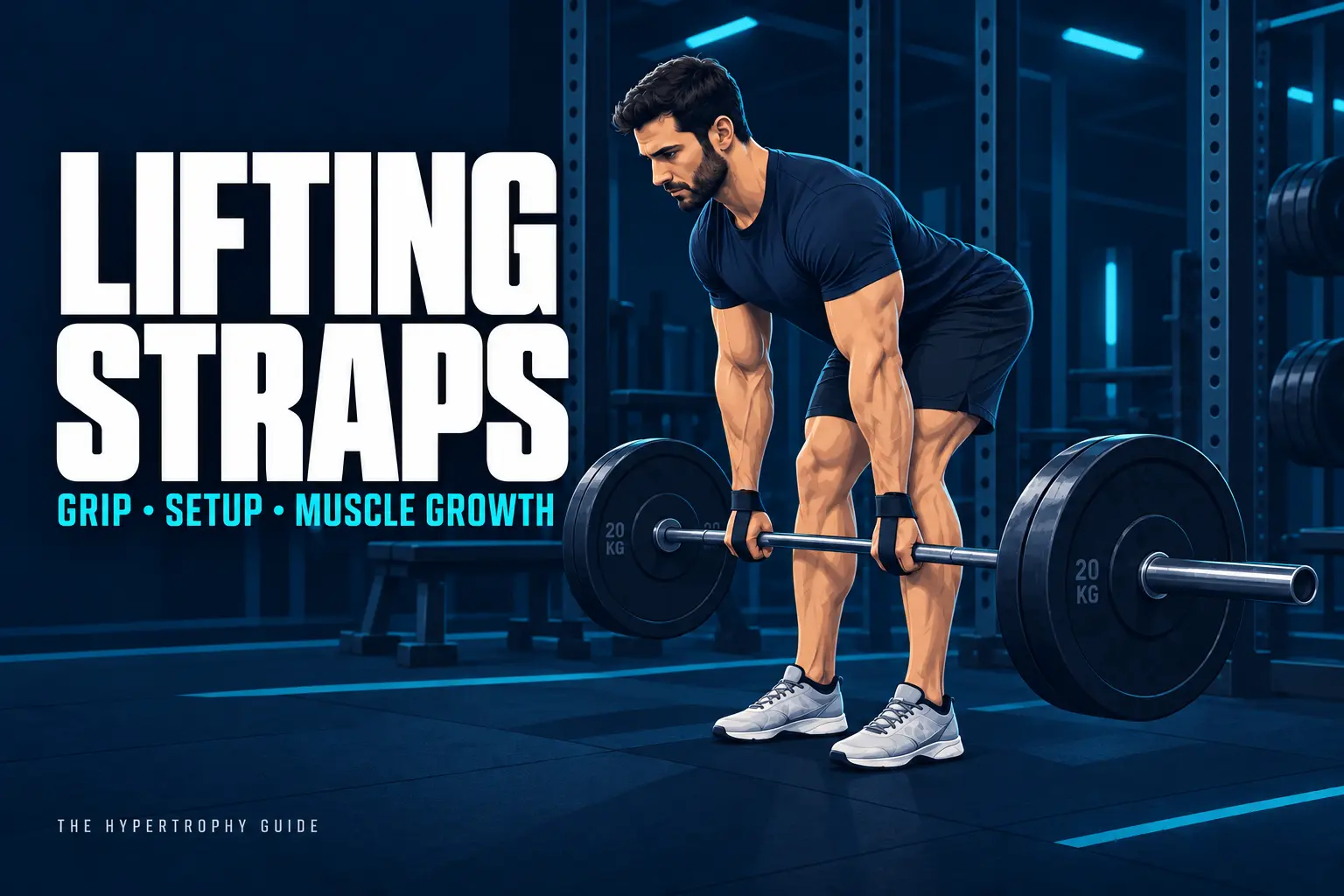
Lifting Straps
Decide whether grip is ending the intended set, understand the setup and identify when assistance adds value.
Assess the need for straps →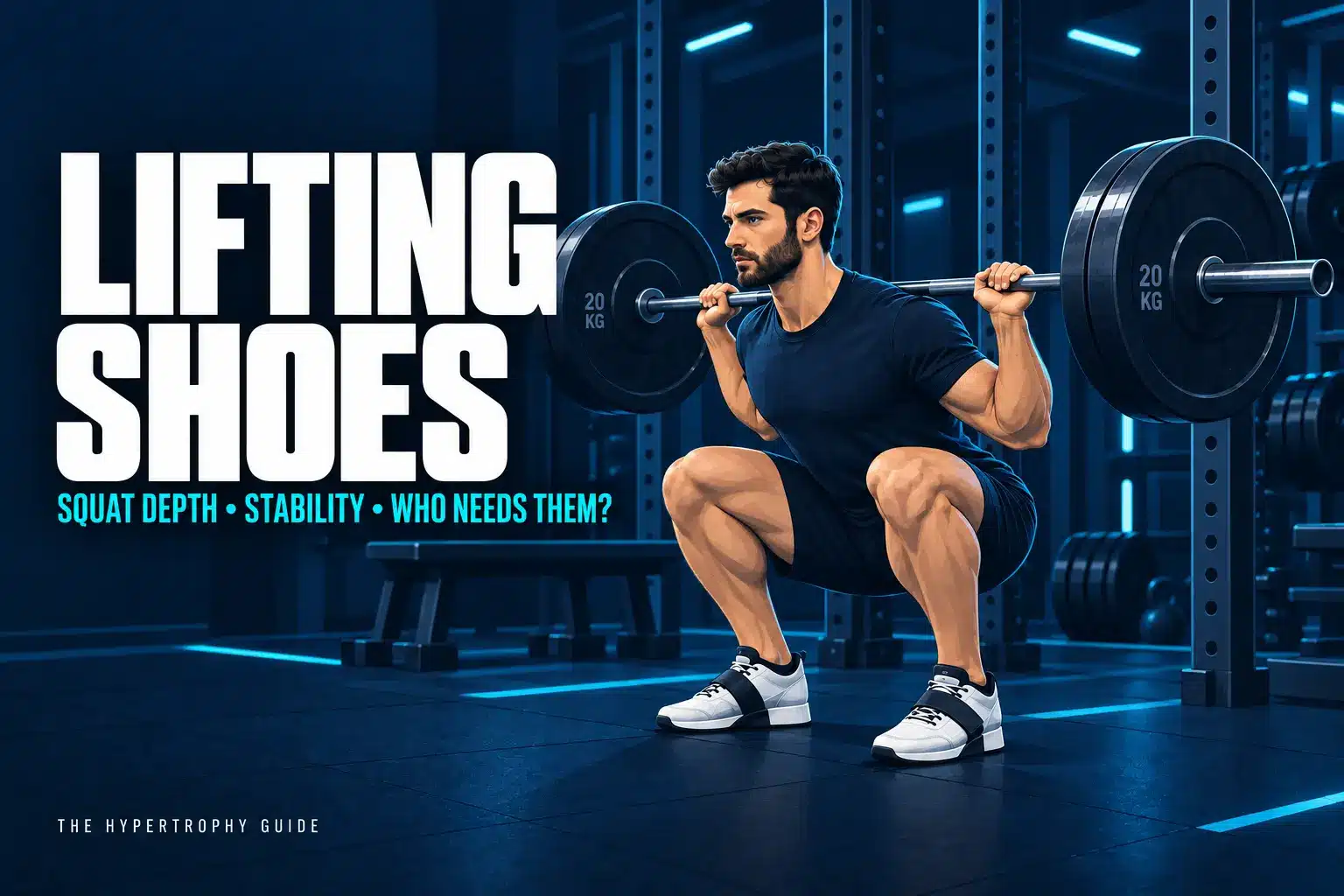
Lifting Shoes
Consider whether a raised heel improves your own squat position before treating specialist shoes as an essential upgrade.
Review footwear choices →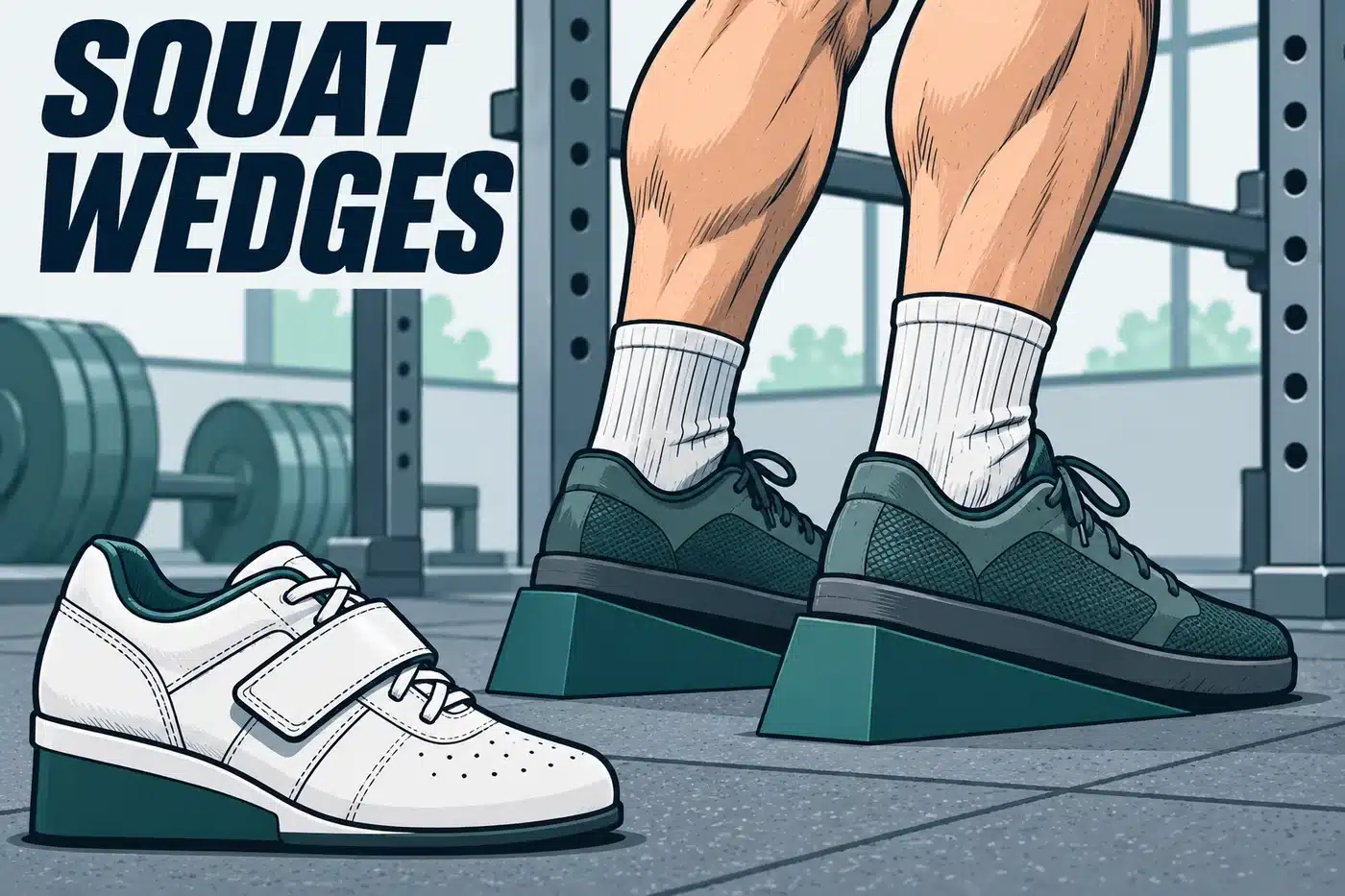
Squat Wedges vs Lifting Shoes
Measure your stance and compare a pair of wedges with a single board or a raised-heel shoe.
Compare squat setups →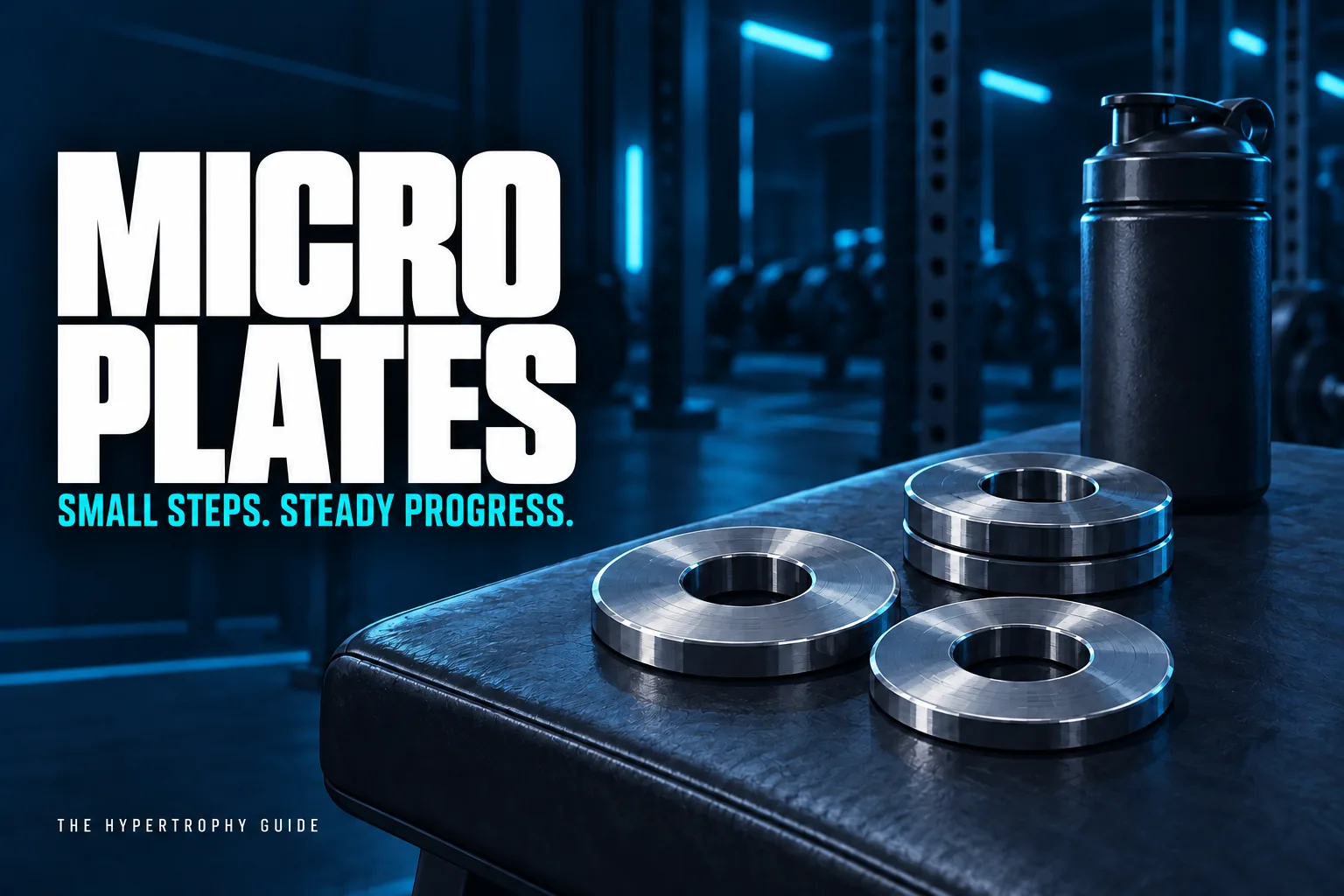
Microplates
Compare smaller load increases with progression through a rep range, and check that plates fit the equipment you use.
Check whether smaller increments help →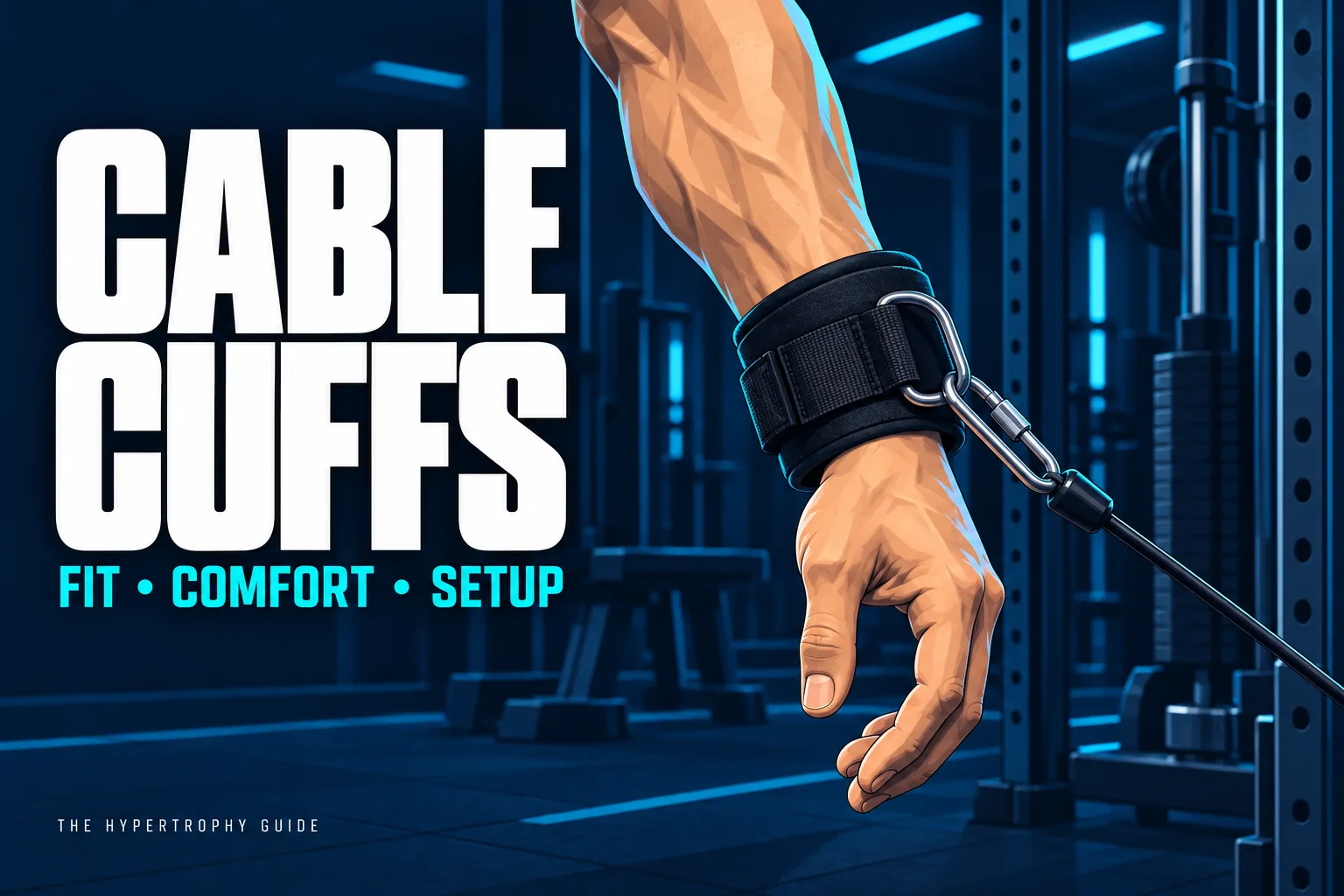
Cable Cuffs
Review cuff fit, cable positioning and the handle alternative before adding another accessory to your bag.
Compare cuffs with handles →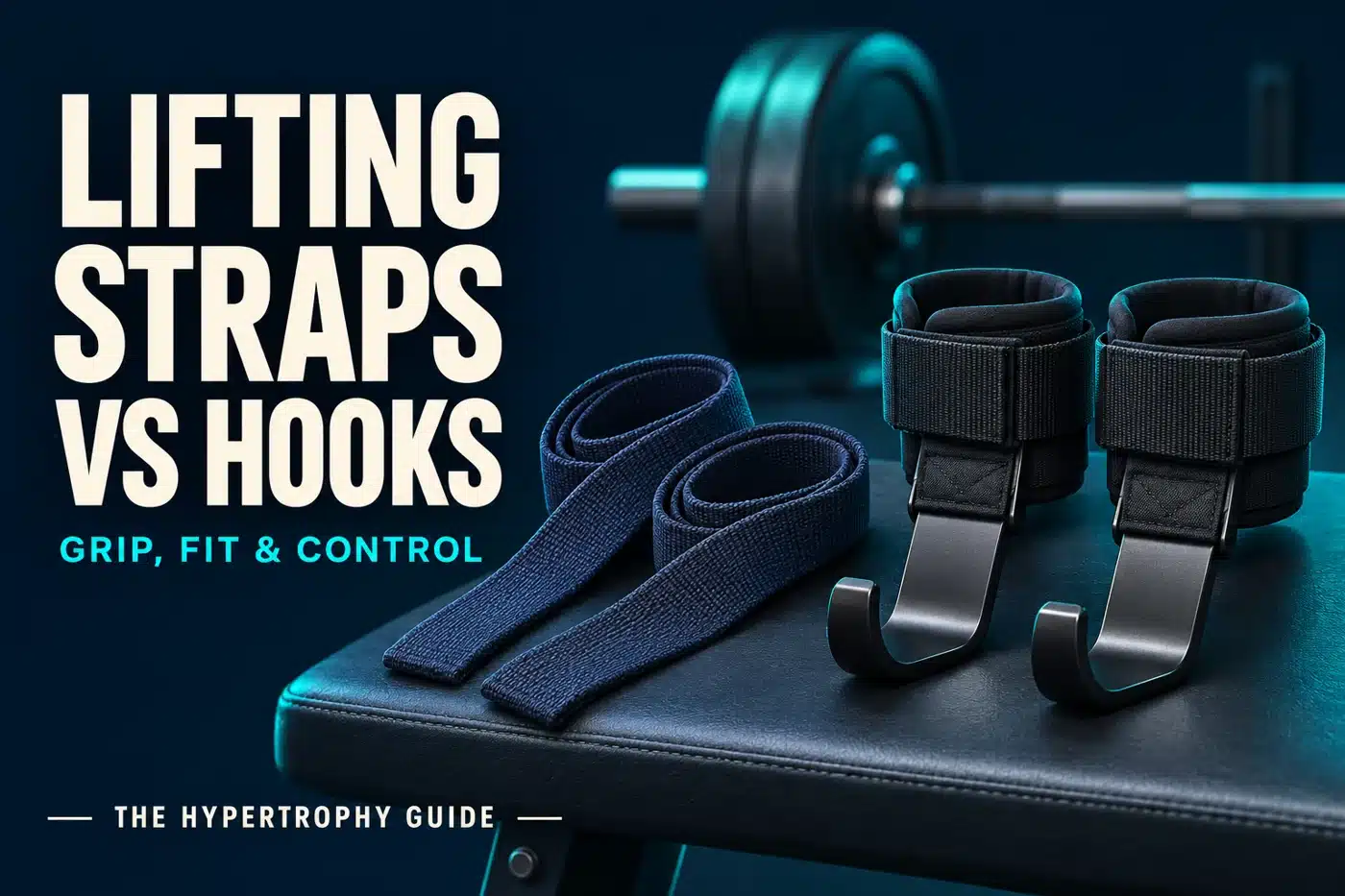
Lifting Straps vs Hooks
Compare wrapping, wrist fit, handle compatibility and release, with Alex’s practical coaching observations.
Compare straps and hooks →For other specific decisions, read about lifting belts, wrist wraps and knee sleeves. The question is whether the tool improves your setup, comfort or training execution—not whether someone else wears it.
Four Checks Before You Spend
- Name the problem. A convenient protein source, a grip limitation and an awkward cable handle are different reasons to shop.
- Compare like with like. For supplements, use equal amounts of the relevant ingredient or protein. For equipment, compare the same design, size and quantity.
- Check the evidence behind the claim. A manufacturer’s description, an independent certificate and a personal training observation answer different questions.
- Include the real purchase conditions. Add shipping, check regional availability and consider whether the price requires a subscription or several packs.
How THG Handles Products and Affiliate Links
Some linked guides contain affiliate shopping links, which can earn THG a commission. Each guide identifies them. A product can appear because it is a useful comparison even when we have no affiliate relationship.
We distinguish research about an ingredient from checks on a finished product, and identify personal experience separately from label reviews. A guide should help you choose or skip a purchase; it should not promise a benefit we have not verified. Read how we assess supplements for the full method.