
Buy the tool that solves the problem
Compare lifting straps, shoes, belts, sleeves, wrist wraps, microplates and cable cuffs by purpose—not by what advanced lifters wear online.
Compare the equipment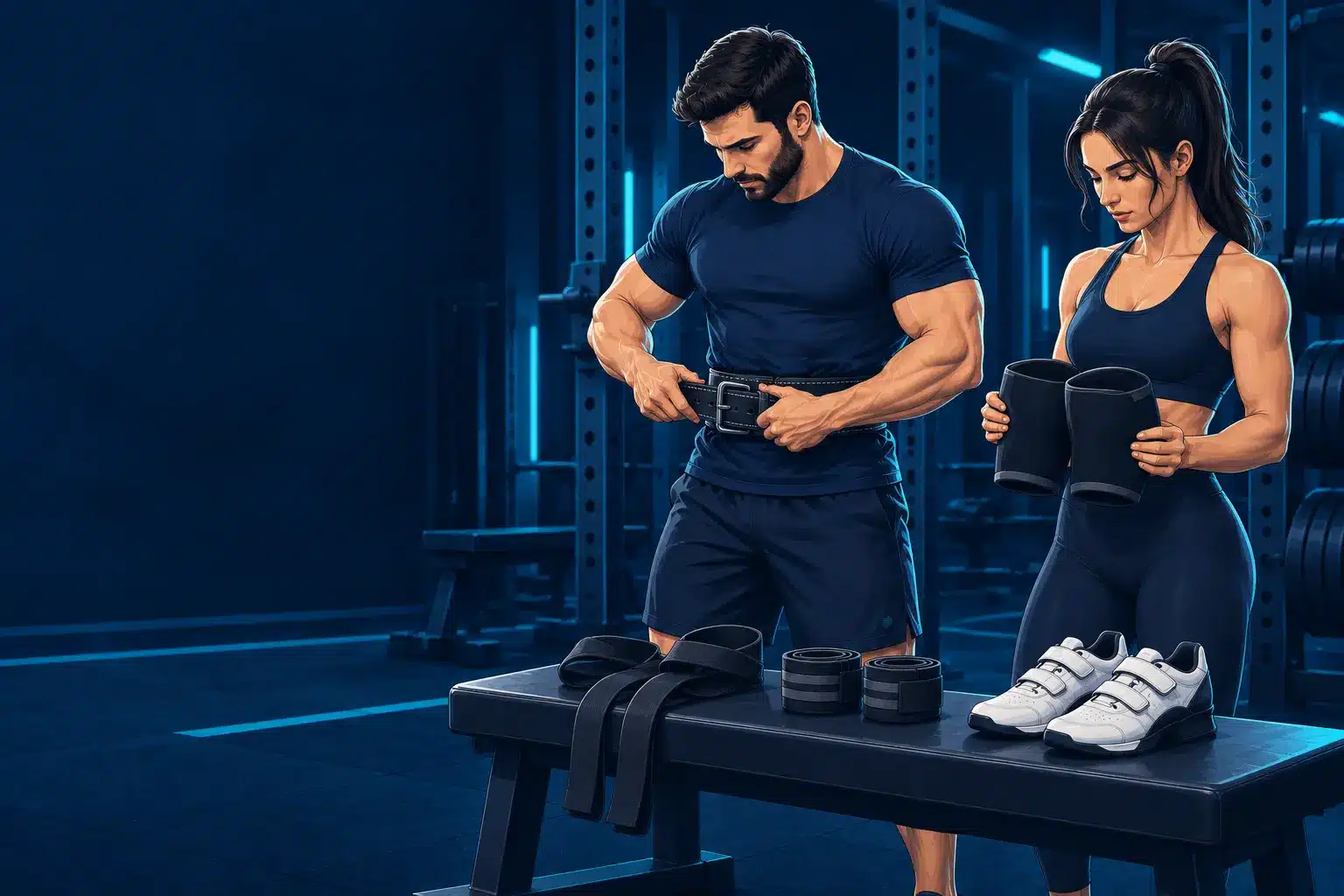
This weightlifting equipment guide focuses on portable personal gear you can bring to the gym. None of it is mandatory. Each item becomes useful only when it improves a specific exercise, removes a real limitation or makes productive training more comfortable.
Start with stable footwear and identify the actual limitation in your training. Consider straps when grip ends the target-muscle set, lifting shoes when a raised heel improves your squat, sleeves for warmth and comfort, a belt for bracing feedback, or wrist wraps for selected heavy presses.
Microplates help when the next weight increase is too large. Cable cuffs are an optional alternative when holding a cable handle feels awkward. You do not need to collect every item.
Weightlifting Equipment Guides
Start with the tool that solves your clearest limitation, then use the individual guides to compare purpose, setup and trade-offs.
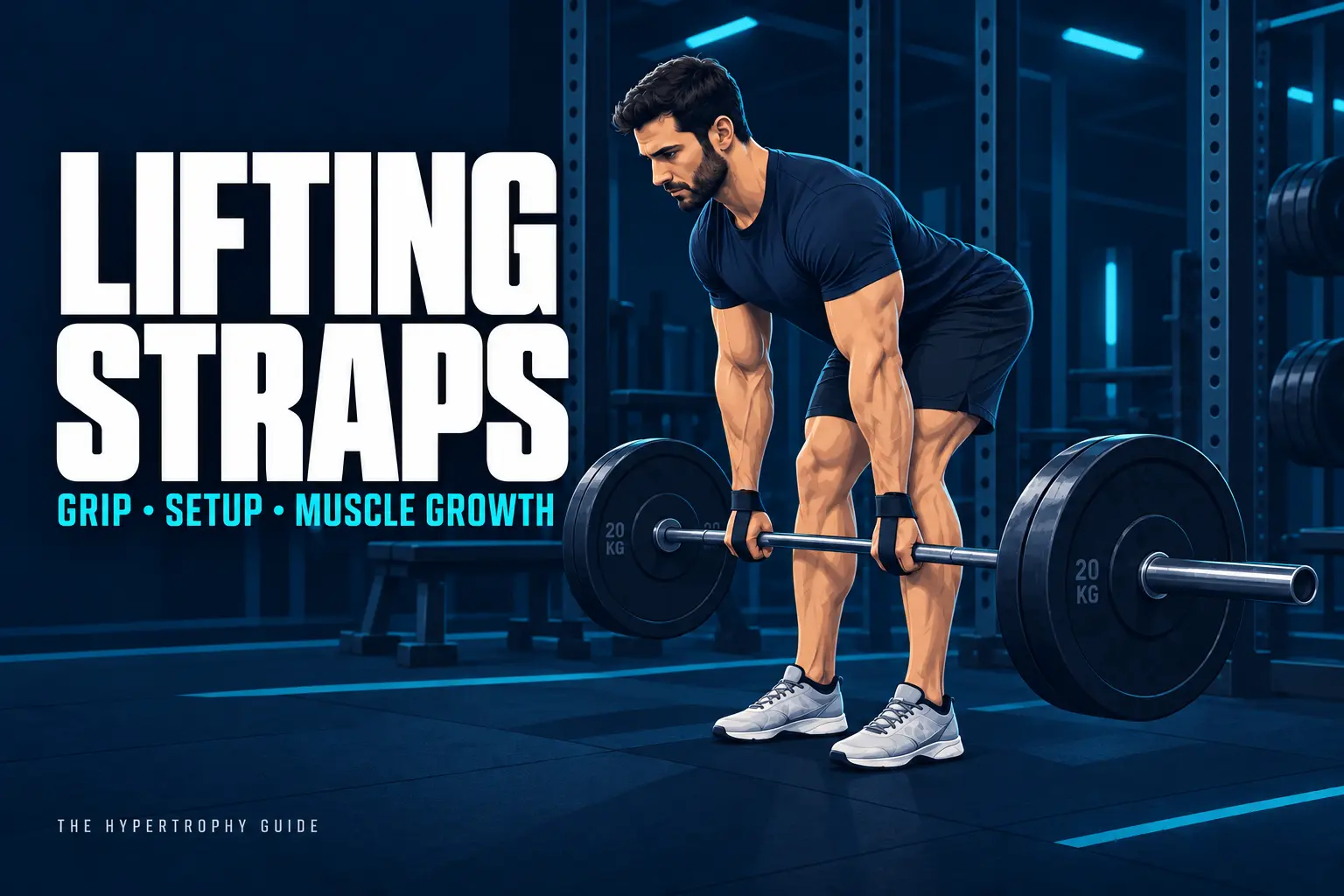
Lifting Straps
Use straps when your hands or forearms end a productive set before the back, hamstrings, glutes or traps. Keep some work strap-free if grip development matters.
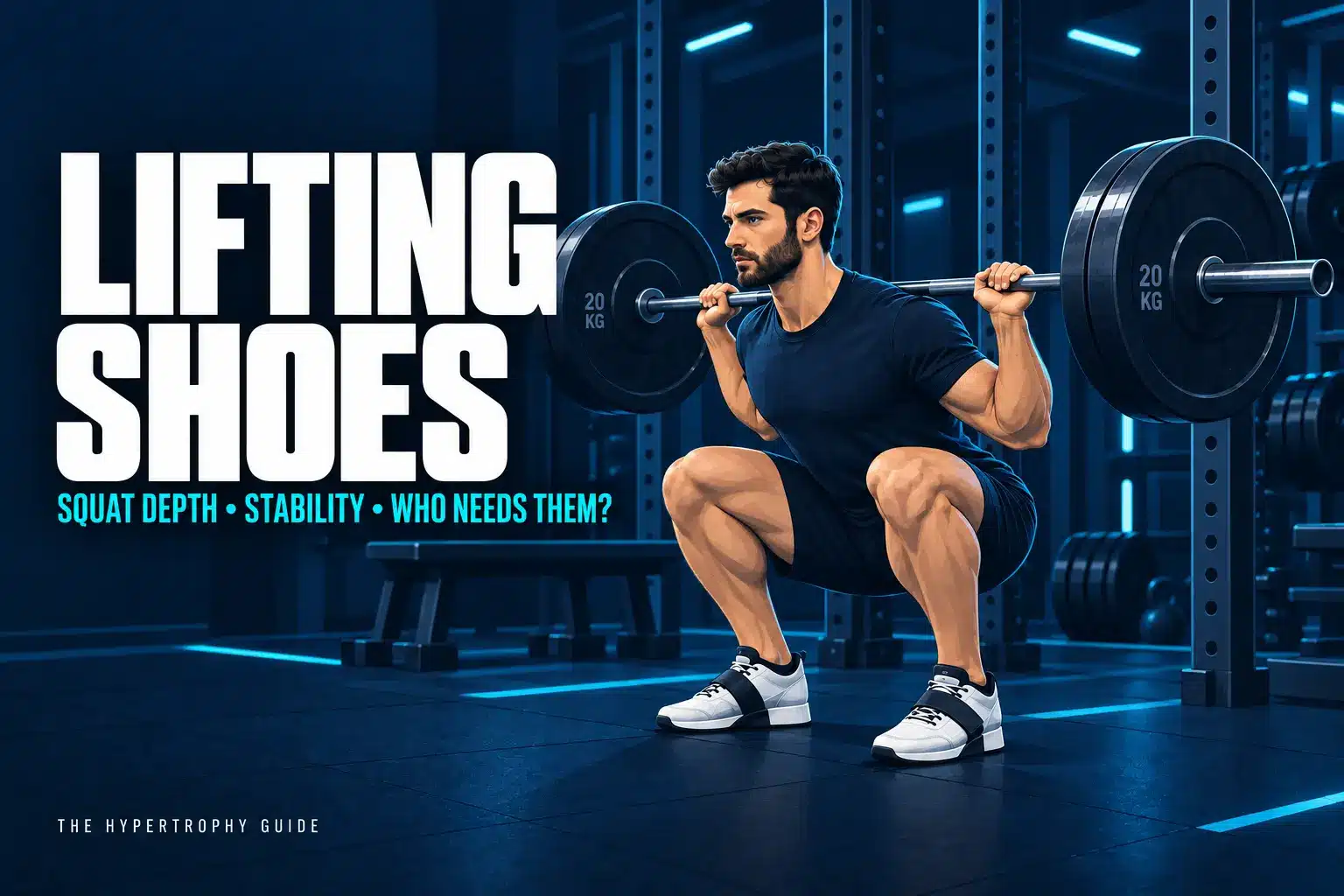
Lifting Shoes
A hard raised heel can improve depth and torso position for some squatters. A stable flat cross-training shoe remains more versatile for mixed hypertrophy sessions.
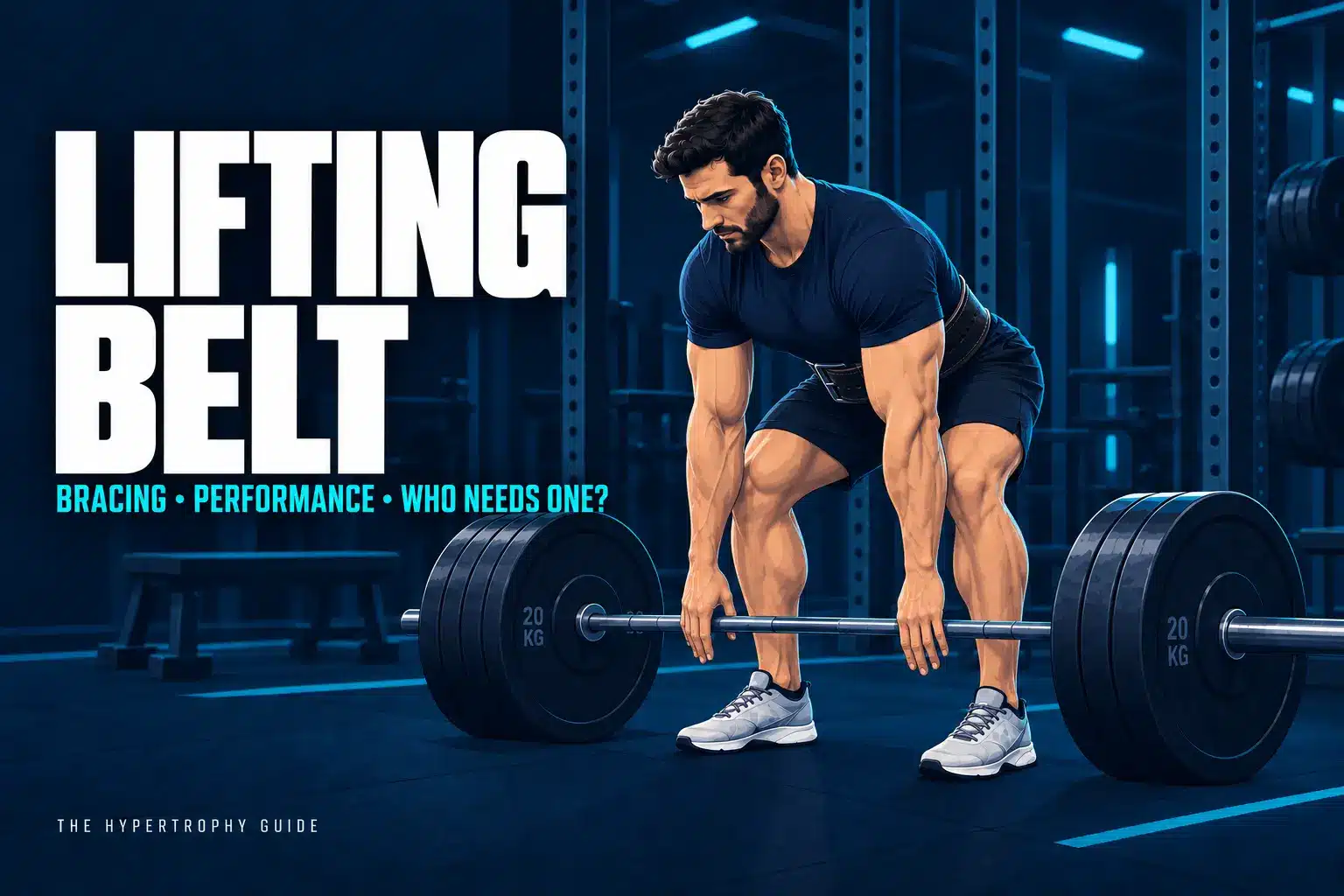
Weightlifting Belt
A belt gives you a surface to brace against and may improve selected heavy lifts. It does not brace for you or guarantee protection from back injury.
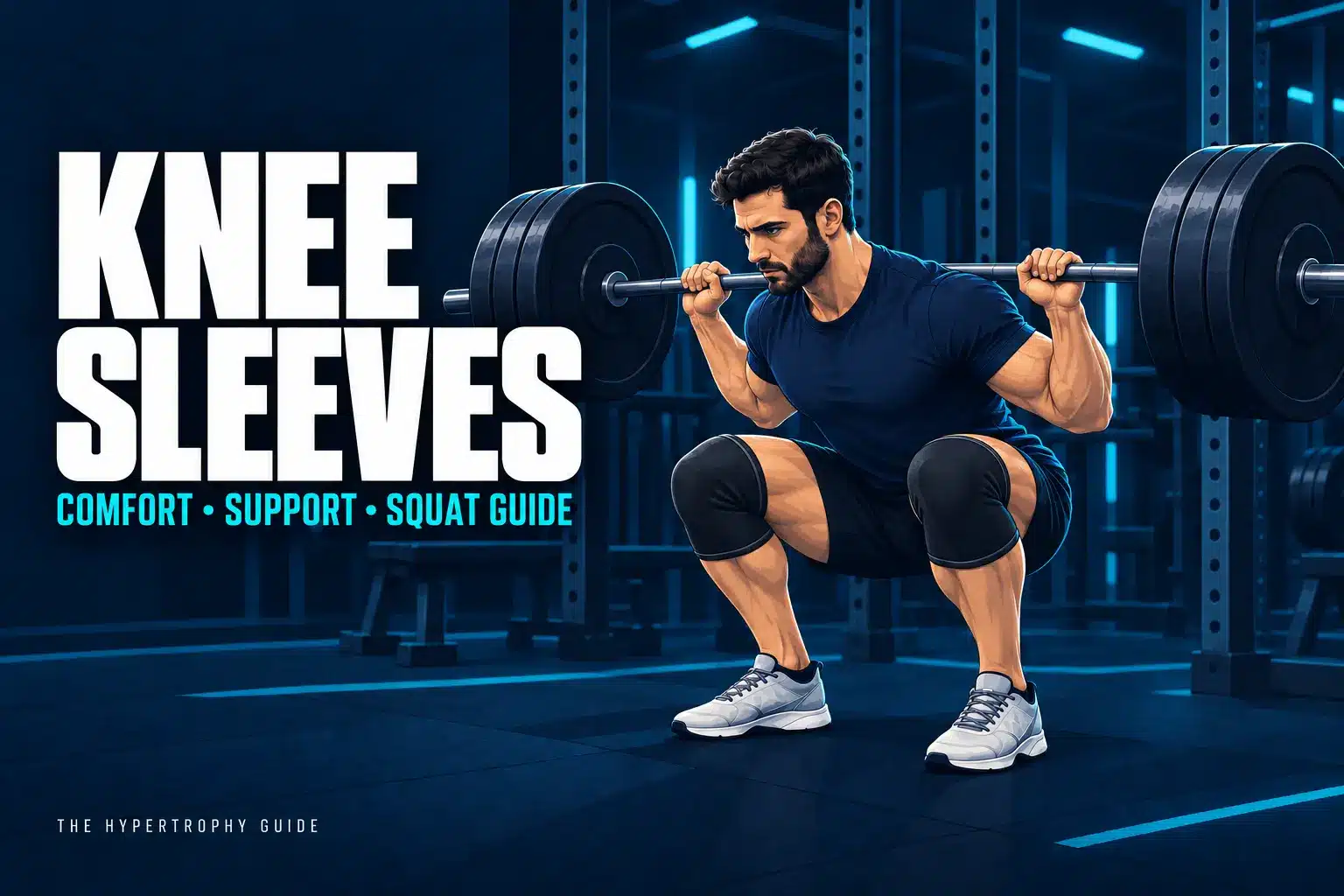
Knee Sleeves
Sleeves can make squats, lunges and split squats feel warmer and more secure. They are optional and should not be used to hide persistent knee symptoms.
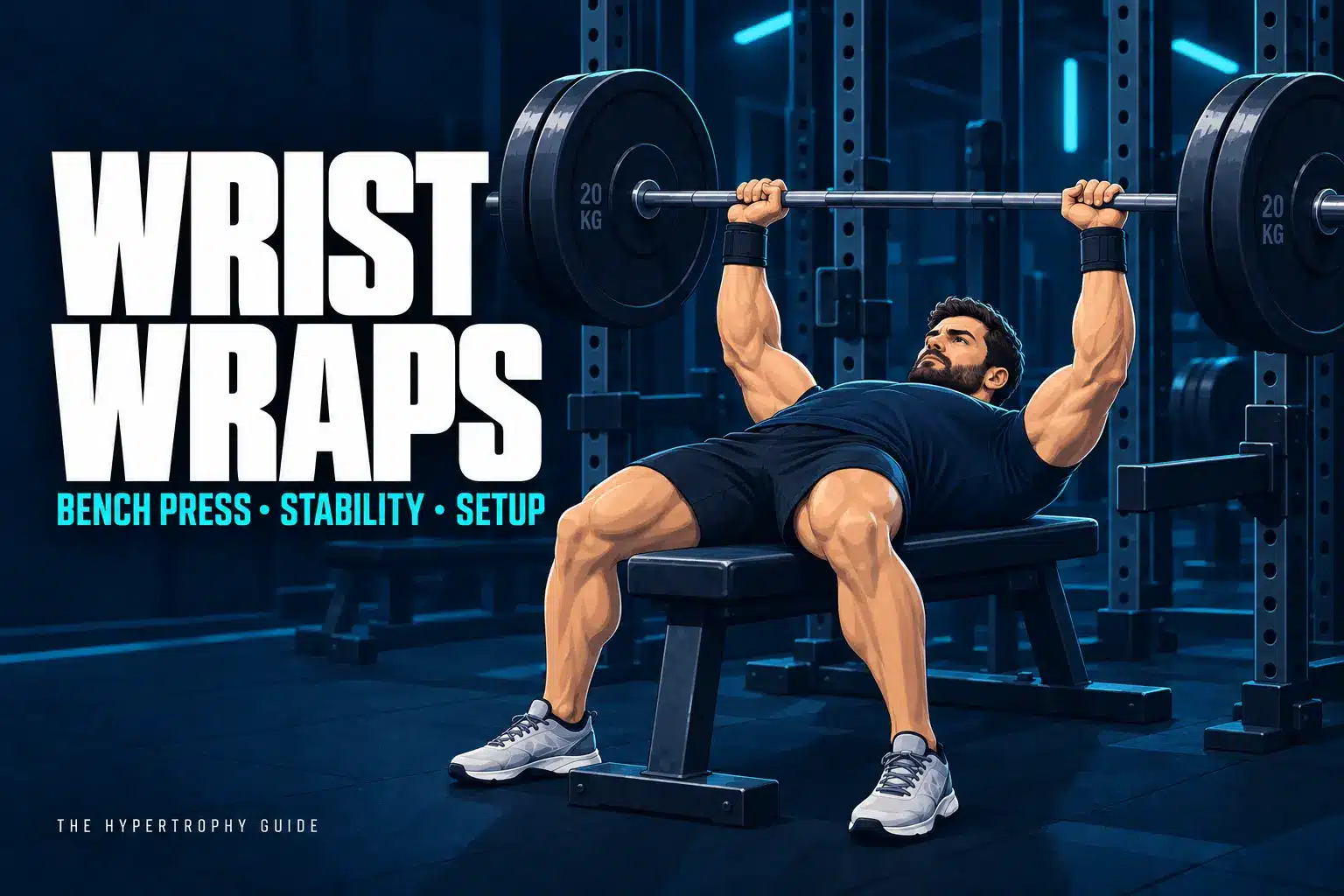
Wrist Wraps
Wraps add stiffness around the wrist during heavy bench and overhead pressing. They do not connect your hands to the bar—that is the job of lifting straps.
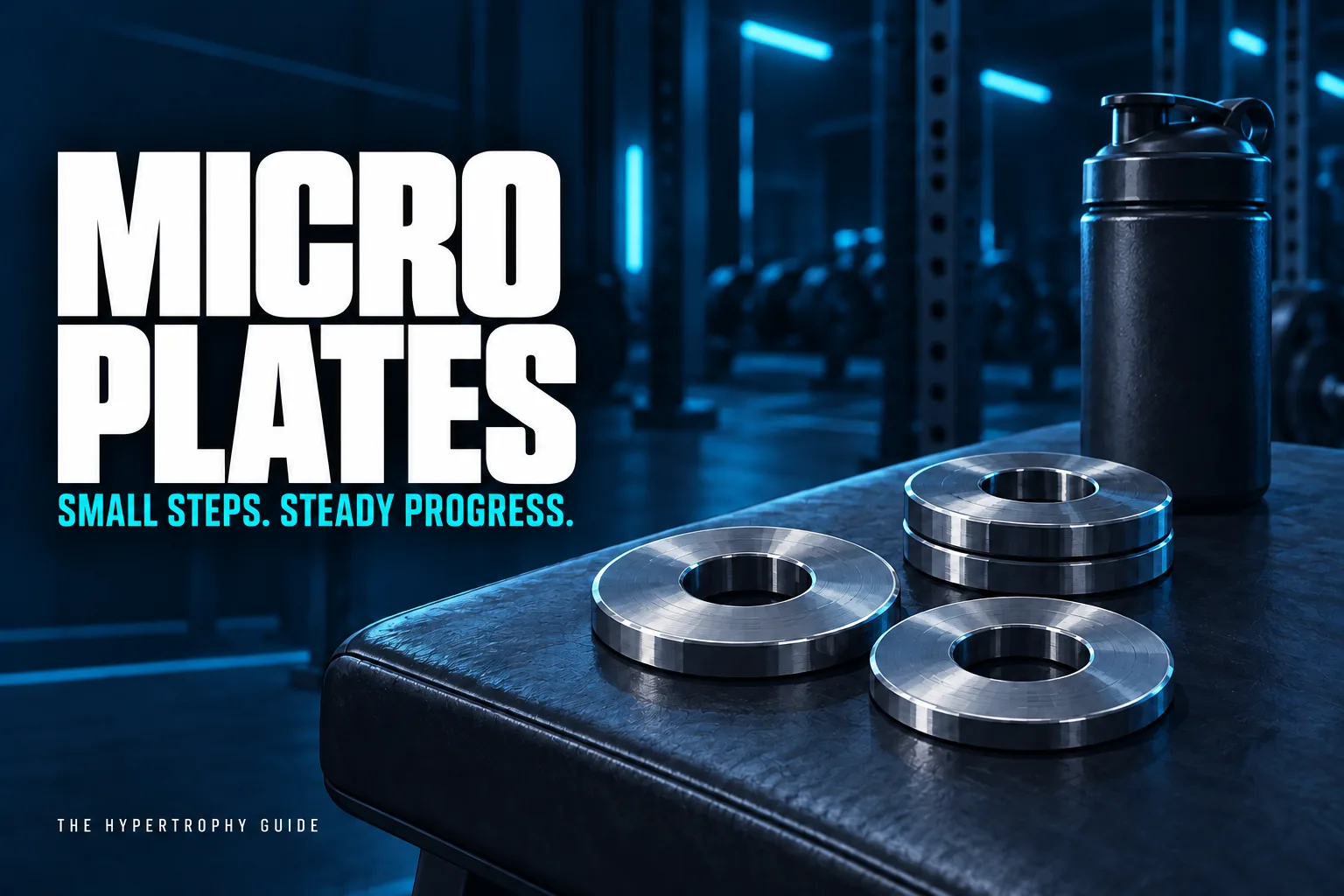
Microplates
Use fractional plates when the next weight jump is too large for your target reps and technique. Compare small increases in pounds and kilograms, and learn when adding reps is simpler.
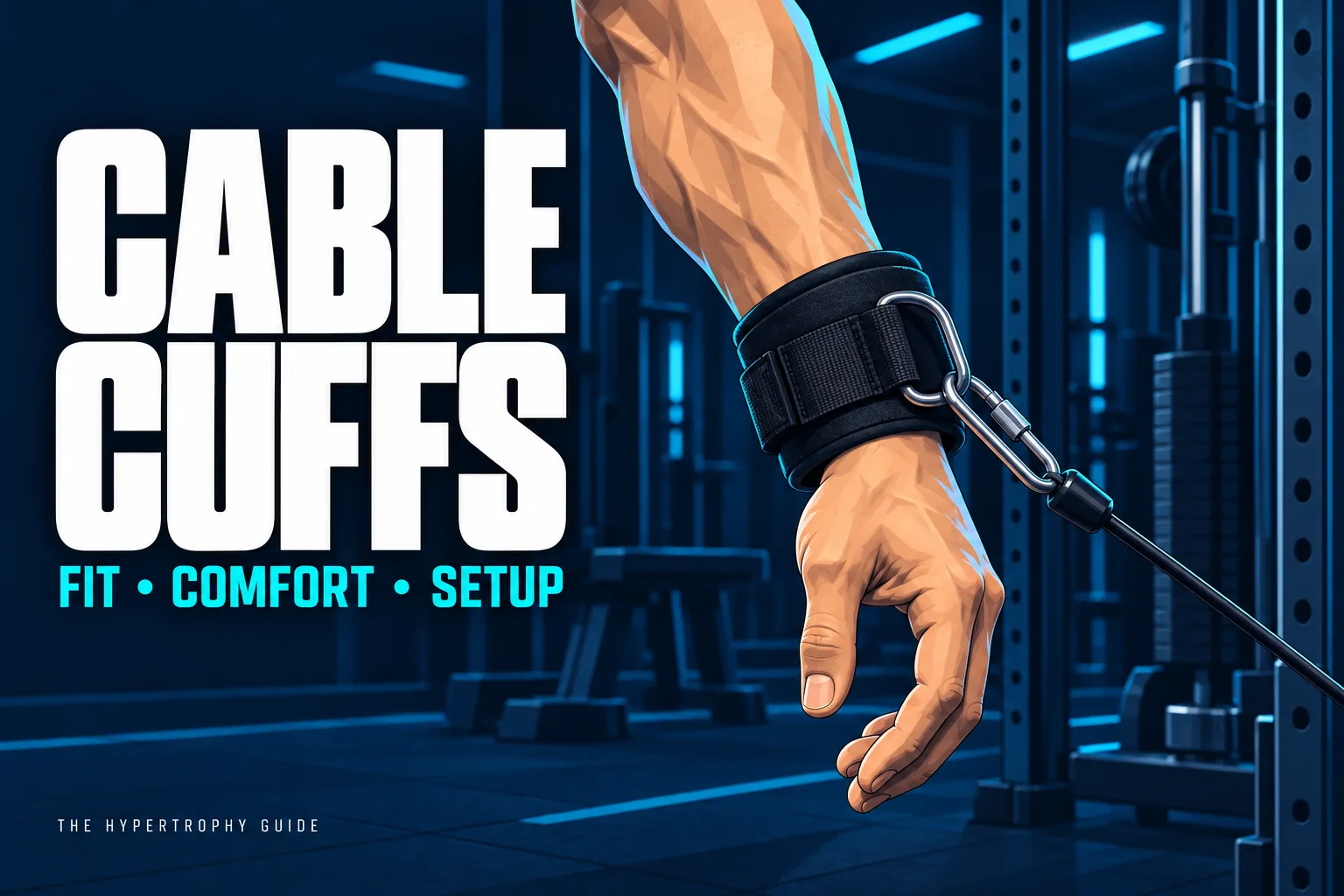
Cable Cuffs
A well-fitting cuff lets you perform cable lateral raises without holding a handle. Compare comfort, wrist placement and secure fit—and when a normal handle is the easier choice.
Choose by the Limiting Factor
| What is happening? | Tool to consider | First check |
|---|---|---|
| Your fingers open before the target muscles are finished. | Lifting straps | Is grip genuinely ending the set? |
| Your heel rises or a raised heel clearly improves an important squat. | Lifting shoes | Compare stance, mobility, technique and stable flat shoes. |
| Heavy squats or deadlifts feel better with external bracing feedback. | Weightlifting belt | Can you create a controlled brace without it? |
| Compression and warmth improve loaded leg training. | Knee sleeves | Is the fit comfortable, without using compression to push through persistent symptoms? |
| Your wrist feels unstable during very heavy pressing. | Wrist wraps | Is the bar position and load appropriate? |
| The next weight increase pushes you below your target reps or changes your technique. | Microplates | Could you add reps first? Does the plate or add-on fit the equipment securely? |
| A cable handle feels awkward during lateral raises. | Cable cuffs | Have you checked the handle setup, and can the cuff stay secure without slipping or pinching? |
What Should You Buy First?
There is no universal shopping order. Start with stable footwear, then choose according to the limitation you actually encounter. You can skip any item that does not improve your training.
- Start with a stable base Use firm, secure footwear for loaded squats, lunges and hinges. Consider specialised lifting shoes only if a raised heel improves the squat you want to train.
- Address grip when it limits the target muscle Lifting straps become useful when your hands end RDLs, rows or loaded split squats before the muscles you intended to train.
- Make progression manageable Consider microplates when standard weight jumps are too large, especially with fixed rep targets. If adding reps within a range already works well, smaller plates may be unnecessary.
- Choose comfort tools you have a reason to use Knee sleeves may improve warmth and comfort during leg training. Cable cuffs may suit lateral raises when a handle feels awkward. Fit matters more than collecting accessories.
- Add support for specific heavy lifts Consider a belt when it helps your bracing, or wrist wraps when they improve selected heavy presses. Neither is a prerequisite for productive hypertrophy training.
Equipment should earn its place in your gym bag. Keep a tool when it makes training more comfortable, repeatable or easier to progress. If you forget it, adjust the exercise or load when needed rather than assuming the entire session is lost.
What This Hub Does Not Cover Yet
This hub focuses on personal equipment that fits in a gym bag. Chalk, lifting hooks, deadlift slippers, elbow sleeves and other accessories can be added when they justify a complete guide. Large machines, racks and home-gym installations belong in a separate equipment category.
For exercise selection and technique, use the exercise guides hub. Exercise pages explain the movement, while these equipment pages explain whether a tool improves that movement for you.
Frequently Asked Questions
Do beginners need weightlifting equipment?
No. Beginners need suitable footwear, appropriate loads and repeatable technique. Optional equipment should be added only when its purpose is understood.
Which item is best for muscle growth?
No item builds muscle directly. Straps may preserve a target-muscle set when grip fails, microplates allow smaller load increases, and other tools may improve positioning, comfort or stability in selected exercises.
Are microplates worth buying?
They can be useful when the smallest available weight increase is too large for your current rep target and technique. If you can already progress comfortably by adding reps and then weight, you may not need them.
Are cable cuffs the same as lifting straps or wrist wraps?
No. Cable cuffs connect a cable directly to your wrist or forearm. Lifting straps help you hold a bar or handle. Wrist wraps add support around the wrist during selected lifts.
Should I buy products before trying them?
Borrowing equipment can help when hygienic and practical. Test shoes and belts in the positions you actually train, check cuff and sleeve fit, and confirm that microplates are compatible with your bar or machine.
Does equipment prevent injuries?
Do not treat personal lifting equipment as guaranteed protection. Comfort and external support are not the same as proven injury prevention.