Should You Train When Sore? What Science Says About DOMS
Should you train when sore? Learn when DOMS is harmless, when to adjust your training, and how muscle soreness relates to recovery, fatigue, and hypertrophy.


Should you train when sore? Learn when DOMS is harmless, when to adjust your training, and how muscle soreness relates to recovery, fatigue, and hypertrophy.

Not recovering between workouts? Learn the key signs of under-recovery and how to fix fatigue, stalled progress, and poor training recovery.

Maximum recoverable volume (MRV) defines the upper limit of training volume your body can recover from. Understanding MRV helps lifters avoid excessive fatigue and structure hypertrophy training more effectively.

Too much volume for hypertrophy can impair recovery and stall progress. This article explains how to recognize excessive training volume and adjust your program for sustainable muscle growth.

Muscle growth is driven by the interaction between training volume and intensity — not by either variable in isolation.
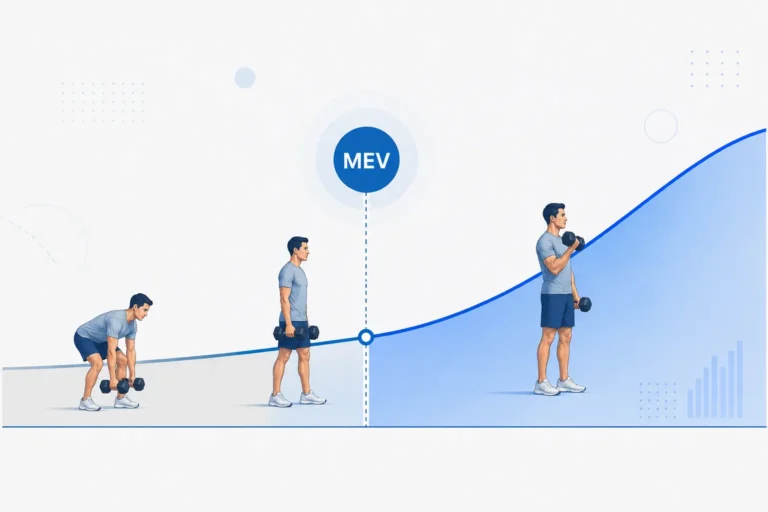
Minimum effective volume for hypertrophy is the lowest weekly training volume required to stimulate muscle growth. This guide explains how many sets you actually need, how MEV differs from optimal volume, and how to apply volume landmarks in real-world program design.
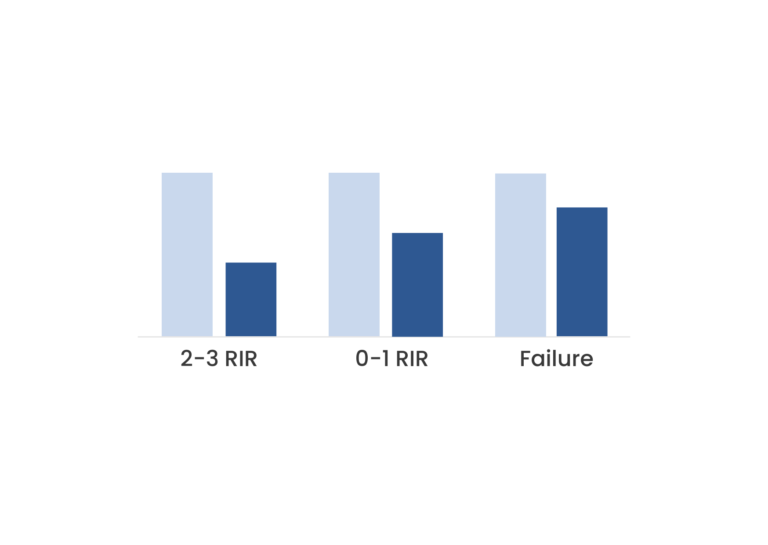
Training to failure for muscle growth may not be necessary. Research suggests that stopping slightly short of failure can produce similar hypertrophy with less accumulated fatigue.
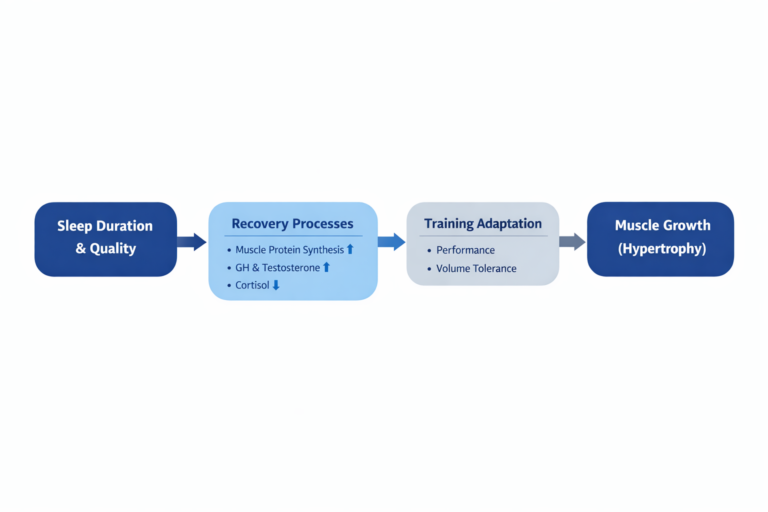
Sleep plays a critical role in muscle growth by regulating recovery, hormones, and training performance. This article explains how sleep affects hypertrophy, why sleep deprivation limits gains, and how much sleep you actually need to maximize results.
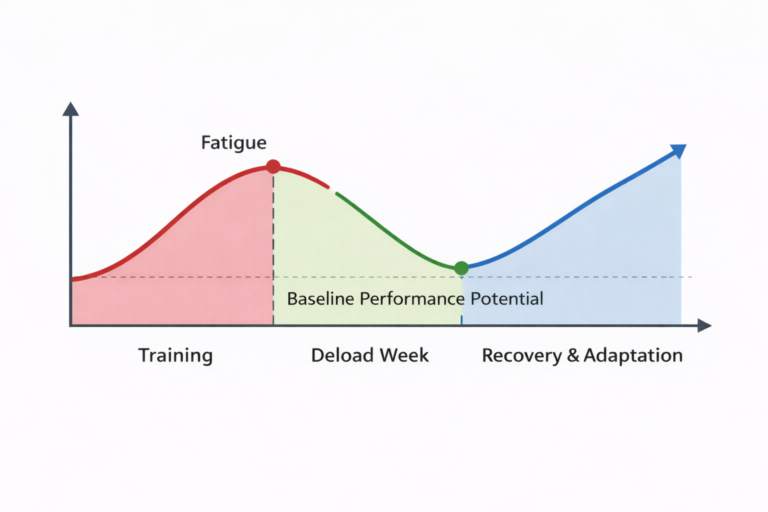
A deload is a short reduction in training stress used to manage fatigue. Learn the signs, practical protocols and limitations of the current deload research.