Cable Cuffs for Lateral Raises: Fit, Setup & Handle Comparison
Cable cuffs can make lateral raises more comfortable when a handle feels awkward. Learn how to choose a secure fit, position the cuff and decide whether switching is worthwhile.

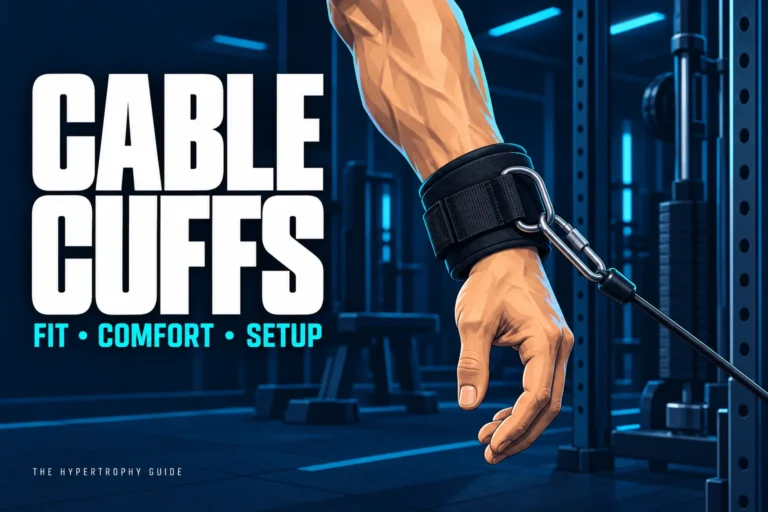
Cable cuffs can make lateral raises more comfortable when a handle feels awkward. Learn how to choose a secure fit, position the cuff and decide whether switching is worthwhile.
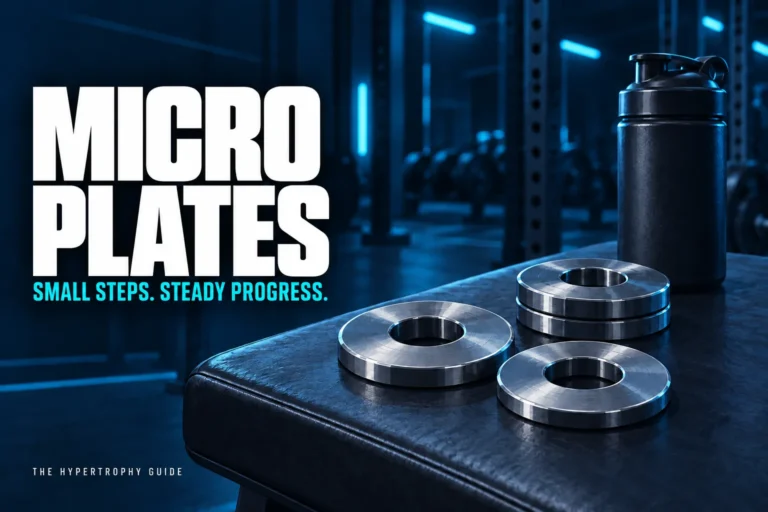
Microplates make smaller weight increases possible when the next gym plate is too big a jump. Learn when fractional plates help, how to choose a pair and when adding reps makes more sense.
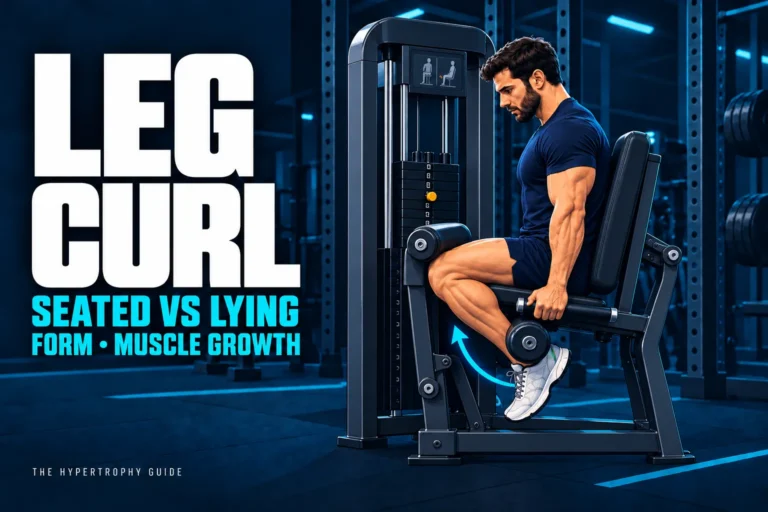
Learn how to set up seated and lying leg curls, control your range of motion and progress your hamstring training. Includes research and Alex’s coaching experience.
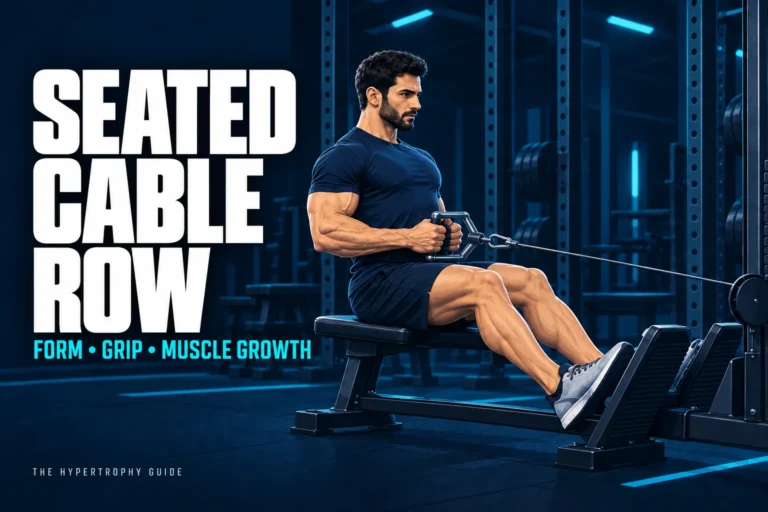
Build your back with a seated cable row you can control and progress. Learn grip options, elbow position, sets and reps, plus practical coaching notes from Alex and Sylvia.
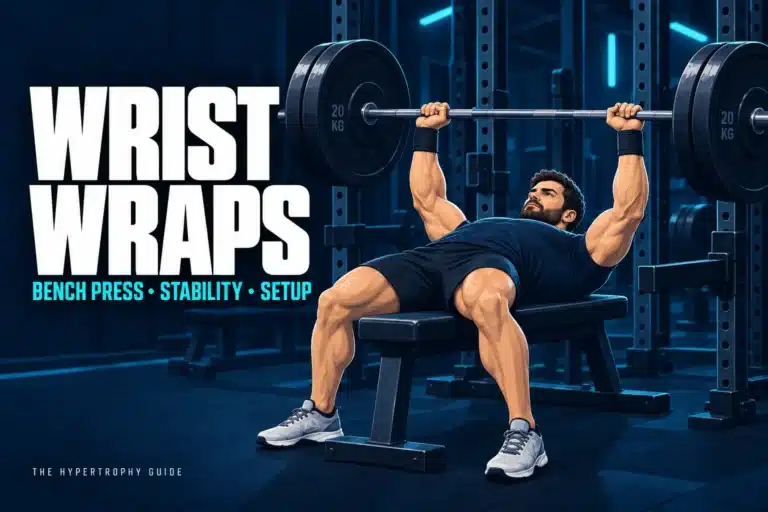
Wrist wraps can provide external support during heavy bench and overhead pressing, but they are optional and should not replace a controlled wrist position.
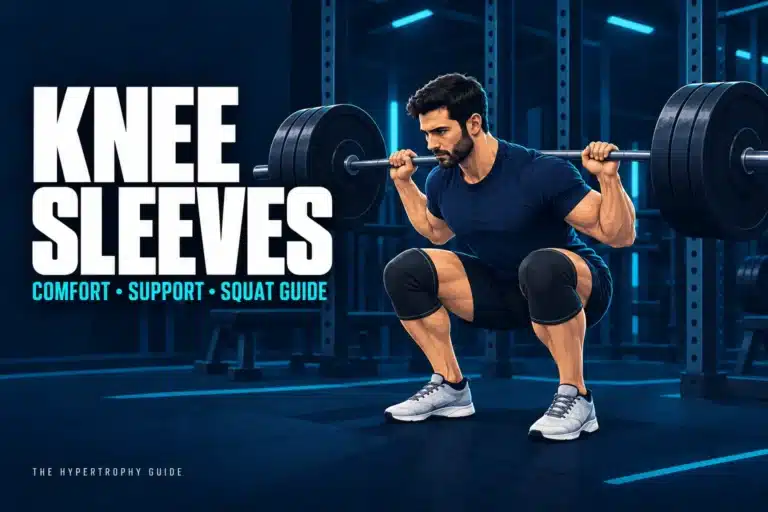
Knee sleeves can make squats and loaded leg training feel warmer and more comfortable, but they are optional and should not conceal persistent pain.
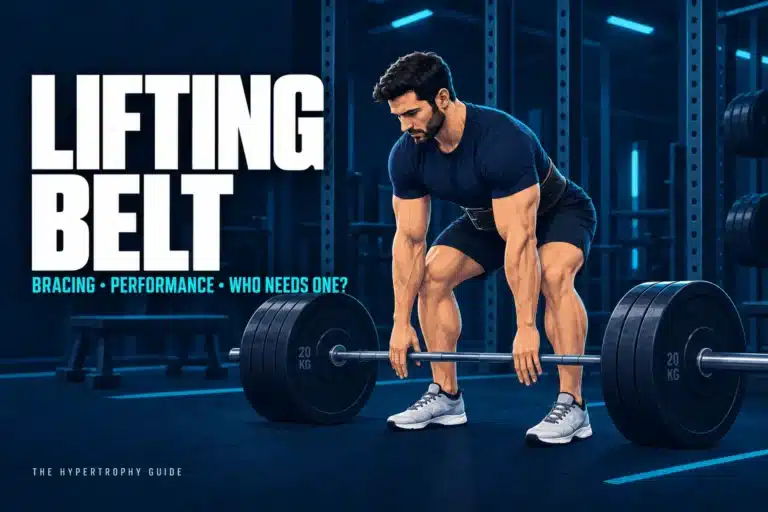
A lifting belt can provide useful feedback for bracing and may help some heavy lifts, but it does not brace for you or guarantee back protection.
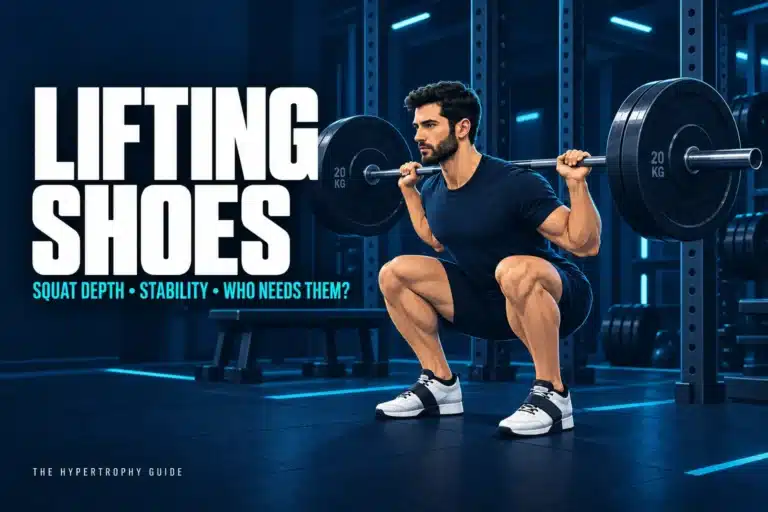
Lifting shoes can improve squat depth and positioning for some lifters, but they are not essential for muscle growth. Learn when a raised heel is worth it.
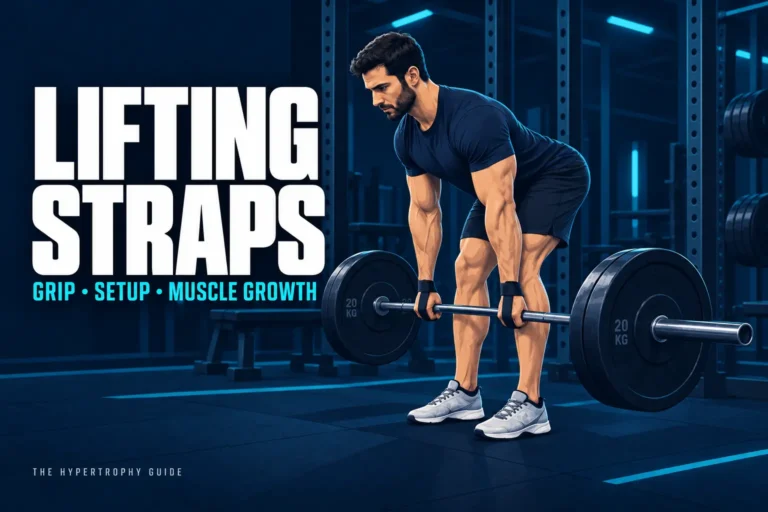
Lifting straps can stop grip from limiting your back, hamstrings or glutes. Learn when to use them, how to wrap them and when to train without them.