Electrolytes for Strength Training: Do Lifters Need Them?
Most lifters do not need electrolytes during a normal workout. However, sodium and fluid replacement can become useful during long sessions, hot conditions, or heavy sweating.

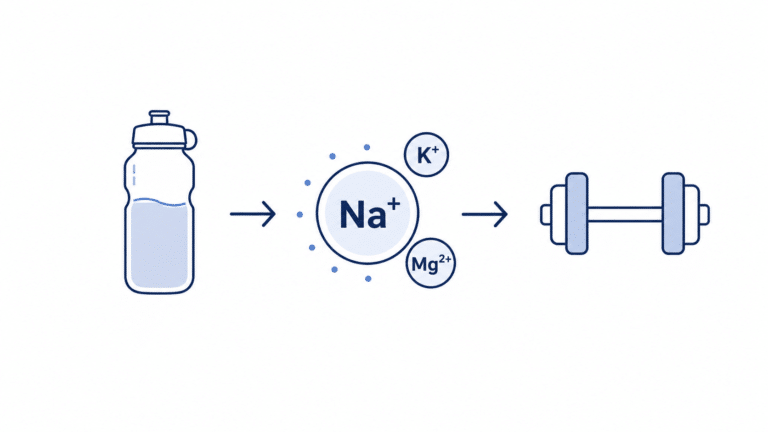
Most lifters do not need electrolytes during a normal workout. However, sodium and fluid replacement can become useful during long sessions, hot conditions, or heavy sweating.

Beta-alanine may improve performance during hard, high-repetition efforts by increasing muscle carnosine. Learn who benefits, how much to take, and what the tingling sensation means.
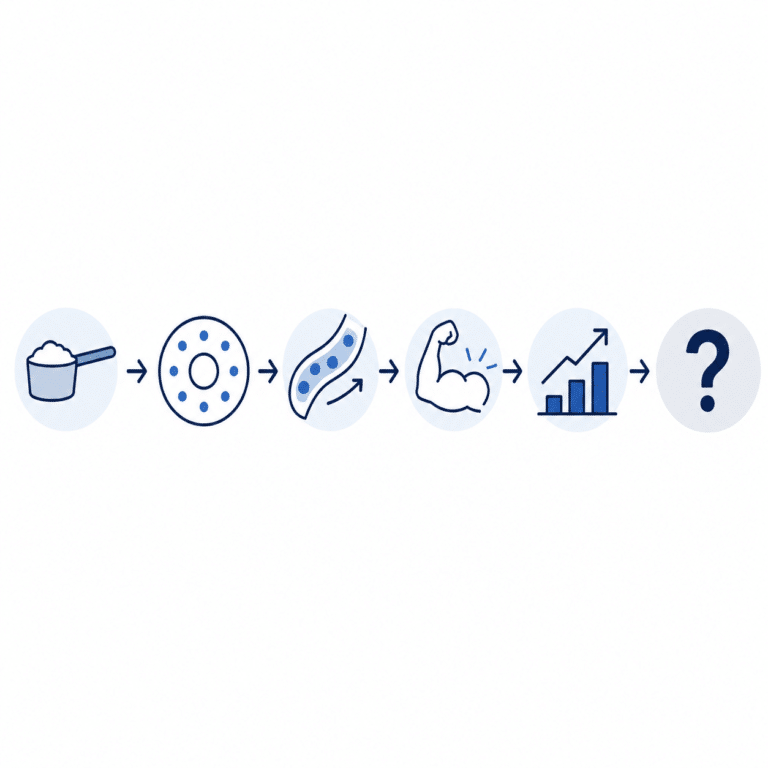
Citrulline malate may improve blood flow, pump, and repetition performance, but does it actually help build muscle? Here is what the research shows.
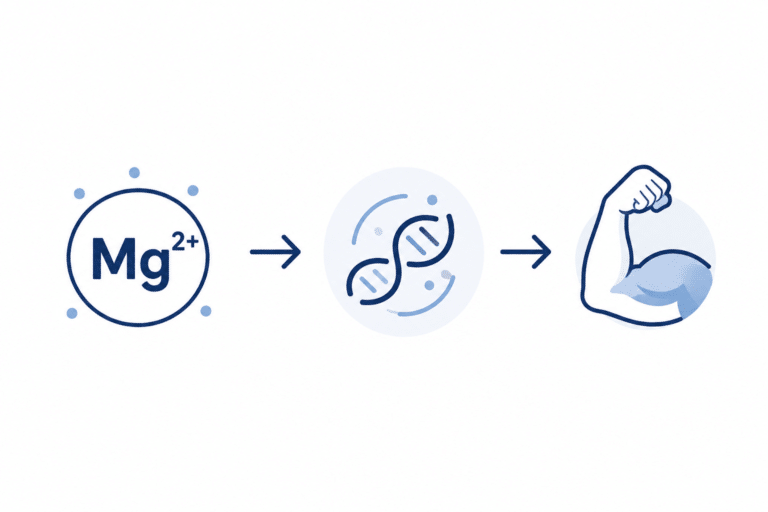
Magnesium is essential for normal muscle function and energy production, but supplementation is most likely to help when intake or magnesium status is low.
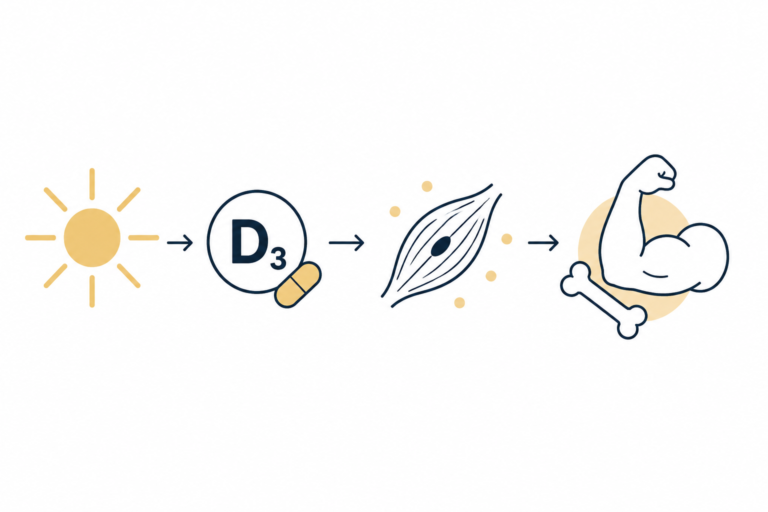
Vitamin D may support muscle function and strength if you are deficient, but extra vitamin D is unlikely to build more muscle if your levels are already sufficient.
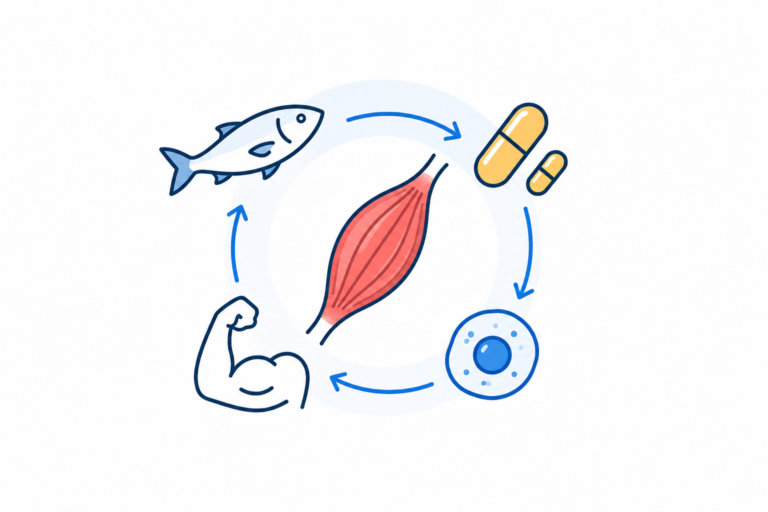
Omega-3 may support recovery, health, and anabolic sensitivity, but it is not a direct muscle-building supplement like creatine.

Learn how to choose exercises for muscle growth using evidence-based principles such as stability, range of motion, loading potential, fatigue management, and long-term progression.

Caffeine can improve strength training performance for some lifters, but dose, timing and tolerance matter. Learn when caffeine helps, when it backfires, and how to use it without hurting sleep.

Pre workout supplements can improve training performance, but only a few ingredients are supported by good evidence. Learn what works, what is overhyped, and how to choose a pre-workout without falling for marketing claims.